
Moving to a French-speaking country is exciting. But it can also feel overwhelming.
You quickly realize your high school French didn't prepare you for real life. Understanding your lease agreement feels impossible. Booking a doctor's appointment becomes a challenge. Even chatting with neighbors makes you nervous.
The gap between textbook French and everyday conversation feels huge. That's where French flashcards come in.
Not the boring lists from school. We're talking about modern, smart flashcards. Flashcards designed for situations you'll actually face.
In this article, you'll learn how the right flashcard approach helps you build practical vocabulary. The kind you need to thrive in your new home, not just survive.
Why Traditional French Learning Falls Short for Expats
Most French courses focus on grammar rules. They teach formal language that sounds great in classrooms. But it feels awkward in real conversations.
You might conjugate verbs perfectly. But you struggle to ask your landlord about a broken radiator. You can't understand what the pharmacist says about your medication.
The problem isn't your ability to learn. Traditional methods don't prioritize the vocabulary you actually need. When you're navigating a new country, you need specific words and phrases.
You need vocabulary for:
- Finding and renting an apartment
- Opening a bank account
- Making doctor appointments
- Understanding public transportation
- Shopping at local markets
- Making small talk with colleagues and neighbors
These real-world scenarios need different vocabulary. Most French courses don't offer that.
The Science Behind Why Flashcards Actually Work
Flashcards have been around for generations. Modern research proves why they're so effective.
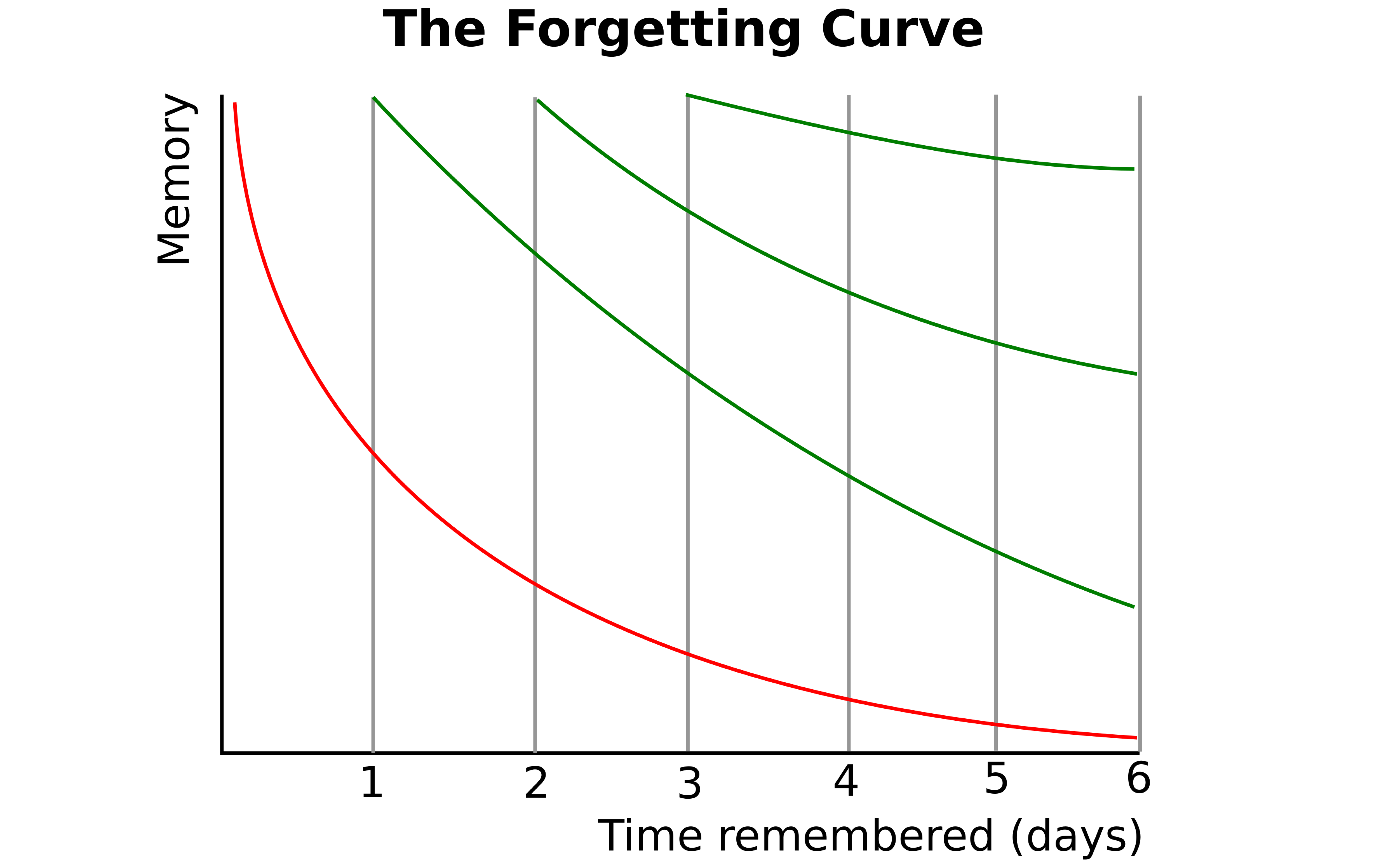
The key is something called spaced repetition. It's a learning technique that shows you information at increasing intervals. You see words just before you're about to forget them.
Here's how it works:
When you first learn a new French word, you see it often. As your brain gets better at remembering, the system spaces out the reviews automatically. Words you struggle with appear more often. Words you know well show up less frequently.
This personalized approach means you work on exactly what you need. Your study time becomes incredibly efficient.
For busy expats, this efficiency is crucial. You're juggling work, family, and settling into a new country. Instead of spending hours reviewing words you already know, you focus on vocabulary that needs attention.
Building Your Survival Vocabulary First
When you're new to a French-speaking country, not all vocabulary is equal. Some words dramatically improve your daily life. Others can wait.
Priority vocabulary for expats includes:
- Housing terms: bail (lease), charges (utilities), caution (security deposit), état des lieux (move-in inspection)
- Healthcare basics: ordonnance (prescription), mutuelle (health insurance), rendez-vous (appointment), urgences (emergency room)
- Transportation: abonnement (monthly pass), correspondance (transfer/connection), guichet (ticket counter)
- Social essentials: phrases for greeting neighbors, accepting invitations, polite small talk
The beauty of French flashcards for survival vocabulary? You can customize your learning to match your immediate needs.
Moving into a new apartment next week? Focus on housing vocabulary.
Have a doctor's appointment coming up? Prioritize healthcare terms.
Adding Cultural Context to Your Flashcards
Learning a word alone is one thing. Understanding how to use it in French culture is another.
The best French flashcards go beyond simple translations. They include cultural context. This helps you avoid awkward situations.
For example, French people use "vous" (formal you) in most initial interactions. Even with neighbors. Knowing this saves you from seeming overly familiar.
Understanding that saying "bonjour" when entering any shop isn't just polite—it's expected. This helps you navigate social situations smoothly.
Your flashcards should include:
- Usage notes about formality levels
- Common phrases that pair with specific words
- Cultural tips about when and how to use expressions
- Regional variations (Quebec, Belgium, other French-speaking areas)
This contextual learning transforms vocabulary. Words stop being abstract. They become practical tools you can confidently use in real situations.
Creating Effective French Flashcards for Real-Life Scenarios
The most effective flashcards are scenario-based. Not random word lists.
Instead of learning isolated vocabulary, organize flashcards around situations you encounter regularly.
Scenario-based learning example:
Don't just memorize "loyer" (rent), "propriétaire" (landlord), and "fuite" (leak) as separate items. Create flashcards for complete scenarios. Like "calling your landlord about a leak" or "negotiating rental terms."
This approach helps your brain store vocabulary in context. You'll actually use it there.
Practical scenarios to build flashcard sets around:
- At the doctor's office: describing symptoms, understanding diagnoses, asking about side effects
- At the grocery store: asking where items are, understanding product labels, interacting with cashiers
- Using public transportation: buying tickets, asking for directions, understanding announcements
- Social gatherings: introducing yourself, discussing your background, asking about others
This method mirrors how children learn language naturally. Through repeated exposure to words in meaningful contexts.
The Power of Audio and Pronunciation

Reading French words is one skill. Understanding them when spoken is different. Pronouncing them correctly is yet another challenge.
The best French flashcards include audio components. You hear proper pronunciation. You train your ear to understand native speakers.
French has many sounds that don't exist in English. Like the French "r" or nasal vowels. Without hearing these sounds repeatedly, you can't pronounce them correctly. You won't recognize them in conversation.
Look for flashcard systems with:
- Audio recordings
- Natural speaking speed (not artificially slowed down)
- Example sentences, not just isolated words
Personalized audio playlists turn dead time into valuable learning. Listen during your commute. While cooking. During other daily activities.
AI-Powered Flashcards: The Modern Approach
Technology has transformed how flashcards work. They're more personalized and effective than ever.
Instead of manually creating hundreds of flashcards, modern platforms like Fluentist use AI to help you build vocabulary faster and more efficiently.
You don't need generic pre-made decks anymore.
AI-powered systems can:
- Generate flashcards tailored to your specific needs and goals
- Provide multiple example sentences showing words in different contexts
- Include phonetic breakdowns for tricky pronunciation
- Adapt to your learning pace and style automatically
This means you quickly build comprehensive vocabulary. Focused exactly on what you need. Whether that's medical terminology for a hospital visit or professional vocabulary for your new job.
Integrating Flashcards into Your Daily Routine

The most effective flashcard practice isn't marathon study sessions once a week. It's consistent, bite-sized practice every day.
Even 10-15 minutes daily produces better results than an hour on weekends.
Easy ways to make flashcard practice a habit:
- Review cards during your morning coffee
- Practice while waiting for public transportation
- Use flashcards during lunch breaks
- Review before bed (research shows pre-sleep learning improves retention)
The key is making it convenient. You don't have to think about it. Many people keep their flashcard app on their phone's home screen. It serves as a visual reminder to practice.
Measuring Your Progress and Staying Motivated
One of the most satisfying aspects of French flashcards? Seeing tangible progress.
Unlike vague feelings about "getting better at French," flashcard systems give you concrete data. You see your vocabulary growth in numbers.
Most modern flashcard platforms track:
- Total words learned
- Daily streak of practice sessions
- Retention rates for different vocabulary categories
- Time until review for each card (showing how well you know it)
This data isn't just for statistics. It helps you identify patterns in your learning.
Maybe you struggle more with verbs than nouns. Or healthcare vocabulary needs more review than transportation terms. These insights let you adjust your study approach for better results.
Visual progress analytics help you celebrate milestones too. Reaching 500 words matters. Maintaining a 30-day practice streak counts. Successfully using a new phrase in conversation deserves recognition.
These victories keep you motivated during challenging parts of language learning and cultural adjustment.
Real-World Practice Beyond Flashcards
Flashcards build your vocabulary foundation. But you need to use words in real contexts too.
The best approach combines flashcard learning with real-world practice. Reading news articles that include your vocabulary helps bridge the gap.
When you see your flashcard words in actual articles, something clicks. The words stop feeling like study material. They become part of natural language.
This reinforcement is powerful. You're not just memorizing anymore. You're recognizing and comprehending.
Building Confidence Through Vocabulary Mastery

The ultimate goal of French flashcards isn't just knowing more words. It's feeling confident in your new environment.
There's something powerful about walking into a pharmacy. You know exactly how to ask for what you need. Having a genuine conversation with your neighbor instead of nervously smiling and nodding.
As your practical vocabulary grows, you'll notice a shift. You experience your adopted country differently.
Tasks that felt stressful become routine. Interactions that made you anxious become opportunities to connect. You start feeling less like a confused outsider. More like someone who belongs.
This confidence compounds over time. The more you successfully use your vocabulary, the more willing you become to try new situations. New situations expose you to more language. More language builds more vocabulary.
It creates a positive cycle of learning and integration.
Moving Forward with Your French Learning Journey
Learning French as an expat is a marathon, not a sprint. Having the right tools makes the journey much more manageable.
French flashcards give you a practical path. Especially when built around real-life scenarios and powered by smart learning algorithms. You go from feeling lost to feeling at home.
Start with these steps:
- Focus on survival vocabulary for your most immediate needs
- Build consistent daily practice habits (even just 10 minutes)
- Be patient with yourself as your vocabulary grows
- Celebrate small wins along the way
Every word you learn is a small step. A step toward feeling more comfortable in your new French-speaking home. More connected to the community around you.
Whether you're signing your first lease, making your first local friend, or finally understanding what everyone's laughing about at work—your growing vocabulary opens doors.
Doors to experiences that make your expat journey richer. More rewarding. More enjoyable.
Ready to Build Practical French Vocabulary?
Start learning with AI-powered flashcards tailored to your specific needs. Perfect for expats who want to master the vocabulary that matters.
Get Started Free